Canons Park flat removals and parking tips HA8
Moving out of a flat in Canons Park can look simple on paper, then suddenly feel complicated the moment the lift is busy, the staircase is narrow, or the van has nowhere sensible to stop. That is exactly why Canons Park flat removals and parking tips HA8 matter: not just for saving time, but for keeping the day calm, safe, and far less expensive than it needs to be. In a place where shared entrances, limited road space, and apartment routines all affect the move, a little planning goes a very long way.
This guide walks through the practical side of a flat move in HA8, from parking and access issues to packing, timing, and what to ask your removals team before the first box is lifted. If you are trying to avoid last-minute stress, this should help. Truth be told, most moving-day problems are not dramatic - they are small, annoying, and entirely preventable.
For readers comparing moving help, it can also be useful to look at broader flat removals, man with van, and removal services options before you book. The right choice depends on your building, your parking, and how much lifting is involved.
Table of Contents
- Why Canons Park flat removals and parking tips HA8 Matters
- How Canons Park flat removals and parking tips HA8 Works
- Key Benefits and Practical Advantages
- Who This Is For and When It Makes Sense
- Step-by-Step Guidance
- Expert Tips for Better Results
- Common Mistakes to Avoid
- Tools, Resources and Recommendations
- Law, Compliance, Standards, or Best Practice
- Options, Methods, or Comparison Table
- Case Study or Real-World Example
- Practical Checklist
- Conclusion
- Frequently Asked Questions
Why Canons Park flat removals and parking tips HA8 Matters
Flat moves in Canons Park are rarely just about transporting furniture from one address to another. The real challenge is access. A flat on an upper floor, a shared driveway, a busy roadside, or a building with awkward entry points can slow everything down if parking is not thought through properly.
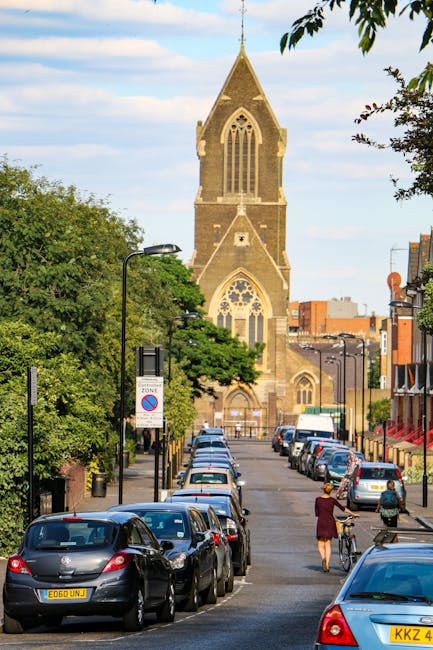
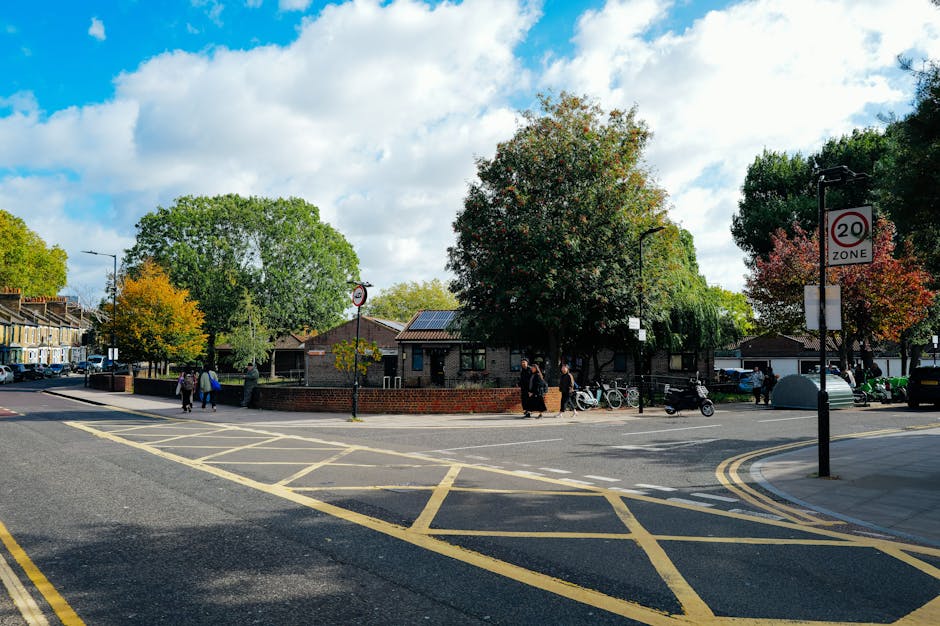
In HA8, parking can become the hidden pressure point of moving day. Even if the move itself is well organised, a van that has to circle the block, park a long way from the entrance, or wait for someone to move a car can create delays that ripple through the whole schedule. And once delays start, the move feels heavier, noisier, and more tiring for everyone.
That matters because removals are timed around labour, vehicle access, and building access. If a team cannot park close enough, they may need extra carrying distance, more trips, and more time on site. You do not want to be paying for avoidable faff. Nobody does.
Good parking planning also protects your belongings. Shorter carrying distances mean fewer chances for accidental knocks on door frames, stair rails, and furniture corners. It also makes the day safer for everyone involved, especially when heavier items like wardrobes, sofas, or appliances are in the mix.
For a flat move in a local area like Canons Park, the biggest win is simple: remove uncertainty before moving day. Know where the van can stop, how long it can stay, whether the building has loading access, and what to do if the road is already busy. That is the difference between a move that feels controlled and one that feels improvised.
How Canons Park flat removals and parking tips HA8 Works
The process is usually a combination of planning, timing, and sensible communication. In plain English, you are trying to answer three questions before moving day: where will the vehicle go, how will items get from the flat to the vehicle, and how long will that take?
1. Assess the building access first
Start with the basics. Is there a lift? Is it large enough for furniture? Are there narrow hallways, coded doors, shared entry points, or awkward turns? You may not think about these details until you are carrying a mattress down a landing that suddenly feels much smaller than you remembered.
2. Plan the van position
Next, decide where the removal vehicle can park or stop without causing unnecessary disruption. Ideally, it should be as close as possible to the entrance, but always in a safe and practical position. If there is a loading bay, it may need to be used carefully and within the expected time window. If there is no obvious space, the plan should include a realistic fallback.
3. Match the vehicle to the move
Not every flat move needs a large lorry. A smaller vehicle may be easier to position, especially on tighter roads or where parking is limited. For some jobs, a removal van or man and van setup is a better fit than a larger vehicle. That is not about being underpowered; it is about being realistic.
4. Build a carrying route
Think about the path from flat to vehicle. The route should be clear, as direct as possible, and free from loose items, pets, wet floors, or anything that can snag feet. A good removals team will check this before carrying the first box, but it helps when the route is already in good shape.
5. Keep communication open on the day
If parking changes or access becomes difficult, the driver or removals team needs to know quickly. A short phone call can save a lot of wandering around. It sounds obvious, but on moving day obvious things sometimes vanish. There is a lot going on.
For people who want more structured help with packing and moving, the combination of packing and boxes support with packing and unpacking services can make the whole process much smoother, particularly if the flat is small and every corner matters.
Key Benefits and Practical Advantages
Planning parking and access properly does more than reduce hassle. It changes the tone of the whole move. You feel more in control. The team works more efficiently. The building neighbours are less likely to be irritated. Everyone is happier, which is rare enough on moving day to be worth protecting.
- Less time wasted: A well-placed vehicle saves repeated long carries from building to road.
- Lower physical strain: Shorter distances reduce the effort needed for larger items.
- Better item safety: Fewer obstacles means fewer bumps, scratches, and close calls.
- Smoother scheduling: When access is planned, the whole job tends to stay on time.
- Less stress for neighbours: Good parking manners help avoid awkward conversations in communal spaces.
There is also a financial angle. If poor parking adds delays, the move can become less efficient, and inefficiency tends to cost money somewhere along the line. Even if no one spells it out in big dramatic terms, you can feel it.
A flat removal in HA8 often benefits from a smaller, more agile approach rather than brute force. A careful plan beats a big guess every time.
Who This Is For and When It Makes Sense
This guidance is useful for almost anyone moving out of a flat in Canons Park, but it is especially relevant if your property has limited roadside space, shared parking, or a tricky entrance.
You will get the most value from it if you are:
- moving from a first-floor or upper-floor flat
- living in a block with a lift, stairwell, or communal hallway
- moving during a busy period when street parking is tighter
- handling a move with larger furniture, appliances, or delicate pieces
- trying to coordinate movers, family members, and building access all at once
- working to a deadline, such as moving out at month-end or before a new tenancy starts
It also makes sense if you are a student, a first-time renter, or someone downsizing from a larger home into a smaller apartment. In those situations, timing and access tend to matter more than people expect.
If you are moving a smaller load, a flexible service such as student removals or same day removals may be more appropriate than a full-scale move. And if the move involves more than one property or storage in between, it may be worth considering storage as part of the plan.
Step-by-Step Guidance
If you like having a clear plan, this is the section to keep close. A flat move feels much more manageable when broken into sensible stages.
Step 1: Check the property details early
Before move day, confirm what the building allows. Is there resident-only parking? Do visitors need permission? Is there a loading area, and if so, where exactly is it? Even if you are not using formal permits, understanding the practical rules of the building prevents unnecessary surprises.
Step 2: Measure key items and access points
Measure bulky items like sofas, beds, wardrobes, and appliances. Then compare them with stair turns, lift dimensions, and door widths. This is the unglamorous bit, but it prevents the classic problem of getting halfway through a corridor and realising the chest of drawers has opinions about the doorway.
Step 3: Book the right moving help
Choose a service that fits the scale of your move. A lighter move may be perfect for a man with van arrangement. A fuller, more complex relocation may need a larger team or broader removals support. For standard flat moves, the best choice is the one that balances access, vehicle size, and handling needs.
Step 4: Prepare the parking plan
Identify the closest safe stop, then work out a second option if that space is taken. If the road is narrow, think in terms of loading efficiency rather than convenience alone. The van may need to stop a little further away if that creates safer conditions overall. Fair enough, sometimes that is just how it goes.
Step 5: Label and separate your items
Mark boxes clearly by room and priority. Keep essentials apart. If the move is going to take most of the day, have one small bag with keys, documents, chargers, medication, and anything you will need immediately. It saves a lot of rummaging later.
Step 6: Clear the route and protect surfaces
Move loose rugs, hall clutter, and anything that might trip someone. If needed, use basic floor protection or covering for busy carrying routes. This matters more in flats than many people expect because the traffic path is often narrow and shared.
Step 7: Walk through the move before the van arrives
Stand in the hallway and mentally rehearse the load-out. Where do boxes go first? Which furniture comes apart? Which item is awkward enough to need extra hands? This tiny rehearsal can make the actual move feel much more organised.
Expert Tips for Better Results
After enough flat moves, patterns begin to show. The jobs that go best are usually not the ones with the fanciest equipment. They are the ones with the clearest planning.
Use the quietest practical time window
If your building and schedule allow it, aim for a time when parking pressure is lower. Early starts often work well. So do periods when neighbours are less likely to be loading in and out. You do not need the whole street to be empty - just enough breathing room.
Keep one person focused on access
It helps if one person is responsible for parking and access checks while others keep loading moving. Otherwise, everyone assumes someone else is watching the door, and suddenly the van has arrived with no clear path from flat to street. That little bit of oversight changes everything.
Separate essentials from bulk
Keep the first boxes and final boxes clearly marked. The essential items should be the easiest to find, not buried in a pile that looks like a cardboard avalanche.
Ask about vehicle suitability early
Some jobs are best served by a compact vehicle, while others need a larger moving truck. In flats with tight parking, size really does matter. Too large and the vehicle becomes awkward to position. Too small and the move becomes more trips than necessary.
Be realistic about bulky or fragile items
Pianos, glass tables, and heavy wardrobes can need special handling. If that sounds like your move, it is smarter to plan for the extra care upfront. For particularly awkward items, dedicated support such as piano removals or furniture removals may be worth considering.
Expert summary: the best flat move is usually the one that feels boring on the day - and that is a compliment. If parking, access, and packing are sorted before anyone picks up a box, the rest tends to fall into place more easily.
Common Mistakes to Avoid
Most moving-day headaches come from a handful of avoidable errors. Nothing mysterious. Just small oversights that compound quickly.
- Assuming parking will "work itself out": It often does not. A vague plan is not a plan.
- Ignoring the carrying distance: Even 20 or 30 extra metres can make a big difference with multiple loads.
- Forgetting building restrictions: Some flats have access rules, time windows, or resident-only parking that affect the move.
- Leaving packing too late: Last-minute packing usually means poor box labelling and more damage risk.
- Choosing the wrong vehicle size: Too big can be awkward; too small can create wasted time.
- Not protecting shared spaces: Hallways, lifts, and entrance areas are where most accidental scuffs happen.
One simple mistake deserves special mention: not checking how large items will pass through the flat. People often focus on parking first, then realise the wardrobe cannot make the turn at the top of the stairs. A bit of measurement prevents a lot of muttering.
Tools, Resources and Recommendations
You do not need a mountain of equipment to move well. A few practical tools and habits are enough to make a noticeable difference.
- Strong boxes: Use sturdy boxes that suit the weight of the contents.
- Packing tape and labels: Simple, but indispensable.
- Protective wrapping: Useful for mirrors, table tops, and delicate finishes.
- Trolley or dolly: Helpful for heavy items if your route and building layout allow it.
- Basic measurements: Tape measure, especially for furniture and access points.
- Clear timing plan: A written schedule on paper or your phone is often enough.
On the service side, there are a few useful options depending on the shape of the job. For standard domestic moves, home moves or house removals may be the nearest fit if the move is larger than a single room. If you are dealing with business stock or office items, then commercial moves and office removals are the more relevant categories.
It is also worth knowing when a mixed approach makes sense. Sometimes you do not need the biggest service available. You need the right one. That is a subtle but important difference.
Law, Compliance, Standards, or Best Practice
Flat removals in Canons Park do not usually involve complicated legal questions, but they do sit within a few important practical expectations. If your move affects shared roads, pavements, entrances, or building rules, you should treat access and parking carefully and respectfully.
In general, best practice includes:
- parking only where it is safe and appropriate for loading
- not blocking emergency access, entrances, or neighbours' driveways
- respecting building access rules and time restrictions
- keeping pathways clear to reduce trip hazards
- making sure any moving team follows safe lifting and carrying practices
From an operator's perspective, it is wise to work with a company that takes safety, insurance, and security seriously. Pages such as insurance and safety, health and safety policy, and payment and security can help you judge whether the service is organised properly and whether it gives clear information rather than vague promises.
That is especially reassuring if you are moving valuable items or moving under pressure. Nobody wants a lovely new flat move to be undermined by careless handling or unclear terms.
Options, Methods, or Comparison Table
Different flat moves call for different approaches. Here is a simple comparison to help you think through the options.
| Option | Best for | Strengths | Possible limitation |
|---|---|---|---|
| Man with van | Smaller flat moves, lighter loads | Flexible, usually easier to park, efficient for local jobs | May be less suitable for large or bulky loads |
| Removal van | Typical flat moves with mixed furniture | Good balance of capacity and manoeuvrability | Parking still needs proper planning |
| Moving truck | Larger moves, multi-room loads | More space, fewer trips | Can be harder to position on tighter roads |
| Full removals service | Complex moves, stairs, fragile items | Broader support, more handling help | May be more than needed for a very small move |
If your flat is in a tight spot or access is awkward, a smaller vehicle can be a real advantage. If you have a full flat of furniture and several rooms' worth of belongings, fewer larger trips may be the better route. The key is to match the method to the building, not just the volume.
Case Study or Real-World Example
Imagine a one-bedroom flat in Canons Park with a second-floor walk-up, a narrow entrance, and street parking that is often half full by late morning. The move includes a bed frame, sofa, desk, boxes of books, kitchen items, and a few fragile bits the person definitely meant to wrap sooner. Happens all the time.
In that sort of scenario, the move tends to go best when the van is scheduled early, the main access route is cleared the night before, and heavier items are loaded first. A compact vehicle may be easier to park close to the building than a larger truck, even if it means a few more organised trips.
What usually makes the biggest difference is not the size of the move but the clarity of the plan. The resident knows where the boxes are going. The driver knows where to stop. The lifting path is clear. Even the awkward desk gets out without everyone pretending to be stronger than they are.
The result is not a glamorous story. It is just a move that finishes on time, with fewer surprises and no unnecessary drama. Which, on moving day, is basically success.
Practical Checklist
Use this checklist before your Canons Park flat move.
- Confirm moving date and time with the removals team
- Check whether the building has parking rules or access restrictions
- Measure large furniture and key doorways or stair turns
- Choose the right vehicle size for the load
- Plan the closest safe place for the van to stop
- Clear hallways, entrances, and stair routes
- Label boxes by room and priority
- Pack an essentials bag for the first 24 hours
- Protect fragile items and awkward furniture
- Keep keys, documents, and phone chargers easy to reach
- Decide what can go to storage if there is a timing gap
- Have a backup plan if the nearest parking space is taken
Quick reminder: the less guessing you do on moving day, the better the whole thing tends to feel. Simple, but true.
Conclusion
Canons Park flat removals and parking tips HA8 are really about reducing friction. When parking is thought through, access is measured, and the moving plan fits the building rather than fighting it, the whole day becomes easier. You carry less stress, the team carries less distance, and your belongings arrive with fewer chances for mishap.
If you are moving soon, focus first on the things that save time and calm the day down: parking, packing, access, and the right vehicle. The details are small, but they add up in a big way. And once the last box is inside the new place, that relief hits all at once - the good kind, the proper kind.
For a straightforward next step, take a look at the relevant moving support, compare your options, and choose the service that fits your flat, your parking, and your timetable. That is usually where a stressful move starts to feel manageable again.
Get a free quote today and see how much you can save.
Frequently Asked Questions
What is the biggest challenge with flat removals in Canons Park?
The biggest challenge is usually access rather than the boxes themselves. Parking, lifts, stairwells, and carrying distance all affect how smoothly the move goes.
How do I plan parking for a flat move in HA8?
Check the building rules, identify the nearest safe stopping point, and have a backup option if the first space is taken. If the move is early in the day, parking is often easier.
Is a man with van service enough for a flat removal?
It can be, especially for lighter loads or smaller flats. If you have bulky furniture, multiple rooms, or difficult access, a larger removals setup may be better.
Should I book a removal van or a moving truck?
A removal van suits many flat moves because it is easier to position on tighter roads. A moving truck may be better for bigger loads, but parking needs to be planned more carefully.
Do I need to tell my building manager about the move?
In many cases, yes, especially if the building has access rules, lift bookings, or parking restrictions. Early communication avoids last-minute problems.
How far in advance should I start packing?
Ideally, start with non-essentials a couple of weeks before the move. The earlier you pack, the easier it is to label properly and avoid rushed decisions.
What items are most likely to cause problems on moving day?
Large wardrobes, sofas, beds, mirrors, and appliances are the usual troublemakers. They are awkward to carry and more likely to snag on tight corners.
Can I use storage if my move-out and move-in dates do not match?
Yes, storage is a sensible option if there is a gap between properties. It can remove a lot of pressure when dates do not line up neatly.
How can I reduce damage during a flat move?
Use sturdy boxes, wrap fragile items well, protect walkways, and make sure larger items are carried by people who know what they are doing. Careful planning matters more than fancy gear.
What should I ask before booking removals in Canons Park?
Ask about vehicle size, access planning, safety, insurance, and how the team handles parking if the nearest space is unavailable. Those questions are practical, not awkward - they save trouble later.
Are same-day removals a good option for flat moves?
Sometimes, yes. They work best when the load is manageable and access is straightforward. If the parking is tight or the flat is large, booking ahead is usually wiser.
What makes a flat move feel less stressful?
Clear parking plans, sensible packing, and the right amount of help. Honestly, that trio solves most of the chaos before it starts.
And if you are still weighing up the right approach, it helps to speak with a team that understands the practical side of removal companies, not just the transport side. A well-planned move is a kinder start to the next chapter, and that counts for a lot.